African Masonry: Reclaiming a Legacy of Light, Brotherhood, and Sacred Knowledge
When most people hear the word Freemasonry, they usually think of secret handshakes, old lodges, aprons, symbols, and mysterious rituals. Some may think of European stone masons, cathedral builders, or fraternal orders that shaped parts of Western history. But there is another conversation—one that is especially meaningful in African, African-American, Moorish, and diasporic communities.
That conversation is about African Masonry.
African Masonry is not just about joining a lodge or learning symbols. It is about exploring the deeper African, Moorish, Egyptian, Ethiopian, and spiritual roots that many believe live inside the Masonic system. It is about asking a powerful question:
What if many of the symbols, rituals, teachings, and moral lessons associated with Masonry have connections to ancient African wisdom?
For many people who study this path, Masonry is not seen only as a European institution. It is understood as a living system of knowledge that carries traces of older traditions—traditions connected to the Nile Valley, Kemet, Ethiopia, Moorish Spain, sacred geometry, temple-building, initiation, and the search for divine light.
This is where African Masonry becomes more than history. It becomes identity. It becomes memory. It becomes a way of walking through the world with discipline, dignity, and purpose.
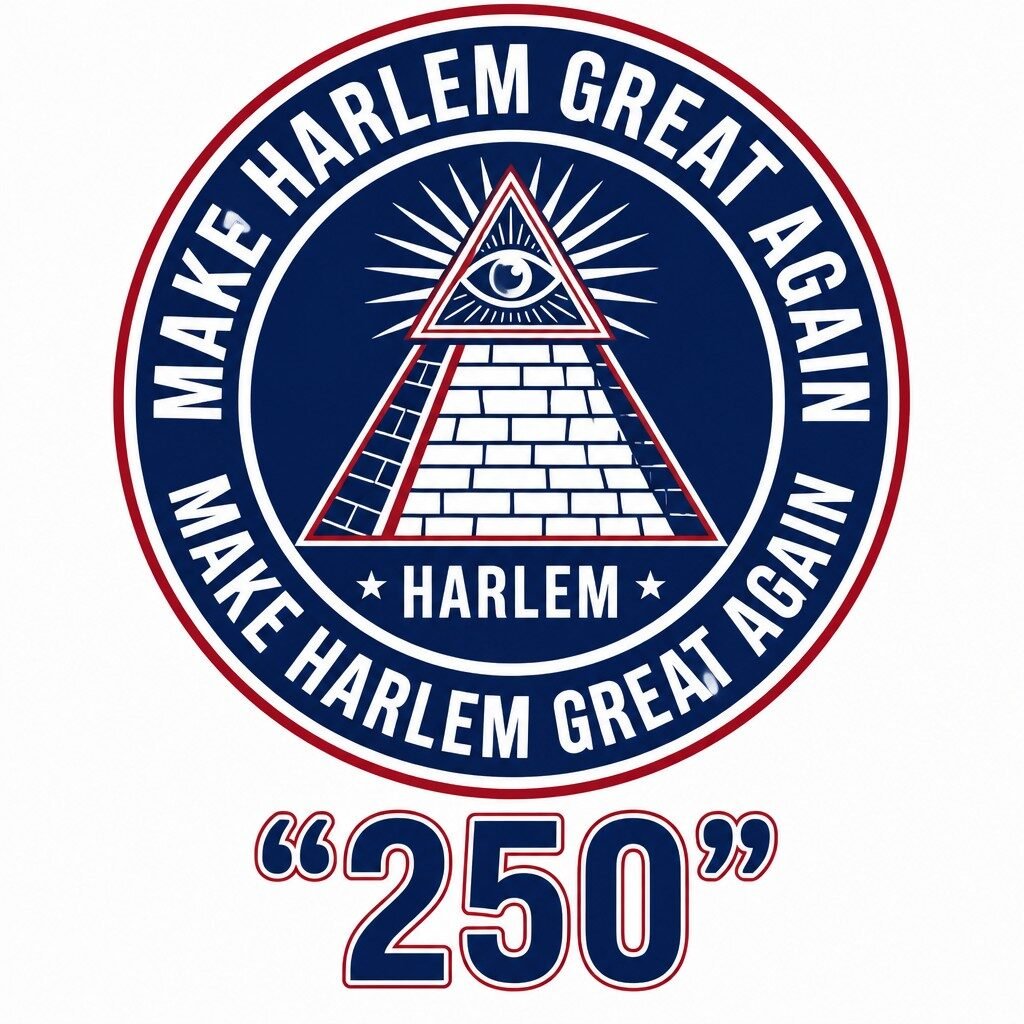
Quintin Ballentine, founder of Make Harlem Great Again Corporation, comes from a Masonic family that studies the African houses within that system. For him, this tradition is not just something written in books or spoken about in lodge rooms. He draws inspiration from that order and its teachings in his daily life and conduct. The principles of discipline, brotherhood, self-knowledge, service, and moral uprightness continue to shape how he moves, leads, and serves his community.
What Is African Masonry?
African Masonry can be understood as an Afrocentric approach to Masonic history, symbolism, and spiritual practice. It looks at the Masonic system through the lens of African civilization and asks how African people contributed to the ideas that later became associated with Freemasonry.
In this view, Masonry is not only about medieval European builders. It is also about ancient temple builders, astronomers, mathematicians, priests, philosophers, healers, and initiates from Africa and the ancient world.
African Masonry often emphasizes connections to:
- Kemet, also known as ancient Egypt
- Ethiopia, understood both historically and spiritually
- Moorish Spain, where African and Islamic knowledge influenced Europe
- Sacred geometry, architecture, and temple science
- Rites of passage and initiation
- Moral discipline and self-mastery
- Brotherhood, charity, and service
- Knowledge of self
At its core, African Masonry is about remembering that African people were not outsiders to civilization. They were builders of civilization. They shaped science, architecture, spirituality, music, mathematics, language, and systems of moral instruction.
So when African-centered thinkers speak about Masonry, they are often speaking about reclamation. They are reclaiming symbols that may have been misunderstood, hidden, or disconnected from their older roots.
Masonry and the Search for Light
One of the most important words in Masonry is light.
In Masonic language, light represents knowledge, wisdom, awakening, truth, and spiritual understanding. The initiate seeks light because light is what removes ignorance. It allows a person to see themselves, their duties, and their relationship to the Divine more clearly.
In African-centered interpretations, this search for light is often connected to the Sun and to ancient African solar traditions. Across many ancient African spiritual systems, the Sun was not merely a ball of fire in the sky. It was a symbol of life, order, divine intelligence, and cosmic rhythm.
To seek light, then, is to seek alignment with truth.
This idea is especially powerful in African Masonry because it speaks to the historical experience of African-descended people. After centuries of enslavement, colonialism, miseducation, and cultural separation, the search for light also becomes a search for identity.
It means asking:
- Who were we before slavery?
- What did our ancestors know?
- What systems did they build?
- What values did they live by?
- How do we restore that knowledge today?
In this way, Masonry becomes more than ceremony. It becomes a journey back to self.
The Ancient African Temple as a Model
Many students of African Masonry look to ancient temples as the spiritual ancestors of the modern lodge. In this understanding, the lodge is not just a room where meetings happen. It is a symbolic temple.
Ancient African temples were places of learning, purification, initiation, astronomy, healing, mathematics, and moral development. They were not only religious buildings. They were schools of consciousness.
The initiate entered the temple to be transformed. The journey often involved discipline, silence, testing, instruction, and symbolic rebirth. The goal was to become a better human being—more balanced, more wise, more useful to the community, and more aligned with divine order.
That same pattern appears in Masonry. A person enters seeking light. They are taught through symbols. They are reminded to refine their character. They are encouraged to become a builder—not only of buildings, but of themselves.
This is why the temple is such a powerful symbol. The true temple is not only made of stone. It is also made of character.
The Meaning of the Builder
Masonry is built around the image of the builder.
At first glance, that may seem simple. A mason builds with stone. But in speculative Masonry, the building process becomes symbolic. The Mason is expected to build a better version of himself.
The rough stone represents the unrefined person. The polished stone represents the person who has been shaped by discipline, wisdom, and moral instruction.
African Masonry adds another layer to this idea. It reminds us that African people were some of the greatest builders in world history. From the pyramids of Kemet to the stone cities of Great Zimbabwe, from Nubian monuments to Moorish architecture in Spain, African and African-descended people helped shape the architectural and spiritual imagination of the world.
So the African Mason is not just symbolically a builder. He is connected to an ancestral memory of builders.
He builds:
- Character
- Family
- Brotherhood
- Institutions
- Community
- Culture
- Economic power
- Spiritual awareness
This is one reason why Masonic teachings can be so meaningful to community leaders. The lessons are not only about personal improvement. They are about public responsibility.
Kemet, Sacred Geometry, and the Science of Order
African Masonry often places great importance on Kemet, the ancient civilization known today as Egypt. Kemet is central because of its temples, pyramids, priesthoods, mathematics, astronomy, writing systems, and spiritual philosophy.
The pyramids especially hold deep symbolic meaning. They represent order, balance, elevation, and alignment between heaven and earth. They also show the power of geometry.
Geometry is important in Masonry because it represents the divine order behind creation. To study geometry is to study proportion, harmony, balance, and design. In many spiritual traditions, geometry is not just mathematics; it is sacred knowledge.
When African-centered Masonic students study Kemet, they often see the roots of later Masonic symbolism:
- The temple
- The altar
- The East
- The Sun
- The journey from darkness to light
- Sacred measurements
- Moral instruction through symbols
- Initiation and rebirth
These connections help explain why African Masonry is so deeply tied to knowledge of self. The symbols are not studied as decorations. They are studied as keys.
Ethiopia and the Spiritual Meaning of African Identity
In African-centered spiritual traditions, Ethiopia often carries a meaning larger than geography. Of course, Ethiopia is a real and historic African nation with one of the world’s oldest civilizations. But spiritually, the word “Ethiopia” has also been used to represent ancient African identity, sacred Blackness, and divine origin.
In the Bible, Ethiopia is mentioned with honor and mystery. In Pan-African, Moorish, and Afrocentric traditions, Ethiopia often symbolizes the ancient dignity of African people.
Within African Masonry, this matters because identity is part of initiation. A person cannot fully build themselves if they do not know who they are. Knowledge of self is the foundation of moral and spiritual construction.
African Masonry teaches that people of African descent should not define themselves only through oppression. Slavery and colonialism are part of the story, but they are not the beginning of the story.
The beginning is older.
It includes kings and queens, priests and priestesses, astronomers and architects, warriors and philosophers, mothers and fathers of civilization.
To remember Ethiopia, in this larger sense, is to remember sacred origin.
Moorish Spain and the African Influence on Europe
Another major subject in African Masonry is Moorish Spain.
For centuries, the Moors ruled parts of Spain and brought with them advanced knowledge in mathematics, medicine, agriculture, architecture, philosophy, navigation, and astronomy. Cities such as Cordoba and Toledo became centers of learning. European scholars traveled to these centers to study works that had been preserved, translated, and expanded through African, Arab, Berber, and Islamic intellectual traditions.
This matters to the study of Masonry because Europe did not develop in isolation. Much of what later became European science, philosophy, and esoteric thought was influenced by contact with Moorish and Islamic civilization.
African Masonry highlights this influence and asks people to reconsider the flow of knowledge. Instead of imagining wisdom moving only from Europe outward, it recognizes that African and Moorish civilizations helped shape Europe itself.
Moorish Spain becomes a bridge:
- From Africa to Europe
- From ancient wisdom to medieval learning
- From sacred geometry to architecture
- From spiritual science to fraternal symbolism
For African-descended people, this is empowering. It shows that African people were not merely acted upon by history. They acted on history. They shaped it.
The African Houses Within the Masonic System
When people speak about African houses within the Masonic system, they are often referring to lines of study, symbolic interpretations, and fraternal traditions that preserve African-centered teachings. These houses may explore the connections between Masonic symbolism and African spiritual science, Moorish heritage, ancient temple traditions, or Black fraternal leadership.
This study can include:
- The role of African symbolism in Masonic ritual
- The influence of Kemet on initiation systems
- The connection between Moorish culture and fraternal orders
- The meaning of sacred numbers and geometry
- The importance of moral conduct and personal discipline
- The legacy of Black Masons in America
- The relationship between spiritual knowledge and community service
For families who pass down this tradition, Masonry can become more than an organization. It becomes a heritage. It becomes a moral compass. It becomes a way of teaching younger generations how to carry themselves.
That is the kind of background connected to Quintin Ballentine, founder of Make Harlem Great Again Corporation. Coming from a Masonic family that studies the African houses within the system, he draws from a tradition that emphasizes honor, structure, service, responsibility, and knowledge of self.
Daily Conduct: Masonry Beyond the Lodge
One of the most important things to understand about Masonry is that its teachings are not supposed to stay inside the lodge. If the lessons are real, they should show up in daily conduct.
That means how a person speaks.
How they treat others.
How they serve the community.
How they handle responsibility.
How they control themselves under pressure.
How they build instead of destroy.
African Masonry places special value on conduct because the individual represents more than himself. He represents his family, his ancestors, his community, and the order of teachings he has received.
The goal is not to appear wise. The goal is to live wisely.
This is why Masonic influence can be seen in community work, mentorship, institution-building, and leadership. A person inspired by these teachings is expected to practice:
- Integrity
- Self-discipline
- Brotherhood
- Respect for elders
- Protection of family
- Service to the people
- Spiritual awareness
- Commitment to truth
- Moral balance
For Quintin Ballentine, these values are not abstract. They inform the way he approaches his life and community work through Make Harlem Great Again Corporation. The Masonic influence is not simply about ancestry; it is about action.
African Masonry and Community Leadership
African Masonry has always had a close relationship with leadership. Historically, Black Masonic lodges and related fraternal institutions served as spaces where men could organize, educate, support one another, and serve their communities.
In times when African-Americans were excluded from many public institutions, fraternal orders provided structure and dignity. They helped cultivate leaders, raise funds, support families, bury the dead, educate youth, and build networks of trust.
That tradition continues today whenever Masonic values inspire community development.
A true builder does not only talk about problems. He helps create solutions. In an African-centered Masonic worldview, leadership means restoring the village. It means creating institutions that protect, educate, and empower the people.
This connects naturally to efforts like Make Harlem Great Again Corporation, which carries the language of restoration and community uplift. Harlem itself is not just a neighborhood. It is a symbol of Black excellence, culture, business, art, politics, spirituality, and resilience.
To make Harlem great again is to participate in the work of rebuilding. That is deeply Masonic in spirit.
The Lodge, the Village, and the Future
African Masonry reminds us that no person is built alone. Just as a stone is shaped by tools, a person is shaped by family, elders, teachers, community, and spiritual discipline.
The lodge represents brotherhood, but the larger goal is the village. The teachings are meant to produce people who can strengthen families, protect communities, and build institutions that last.
In that sense, African Masonry is not only about the past. It is about the future.
It asks:
- What are we building now?
- What values are we passing on?
- What institutions will our children inherit?
- Are we living with discipline and purpose?
- Are we honoring the ancestors through action?
These questions are especially important today. Communities need builders. They need people who understand history, respect tradition, and are willing to do the daily work of service.
African Masonry offers a language for that work. It says that every person is a temple under construction. Every community is a project of sacred architecture. Every act of service is another stone laid in the foundation of the future.
Why African Masonry Matters
African Masonry matters because it gives people a broader and deeper way to understand identity, history, and responsibility. It challenges narrow historical narratives and opens the door to a richer conversation about African contributions to world civilization.
It reminds us that African people were:
- Temple builders
- Scientists
- Astronomers
- Architects
- Spiritual teachers
- Philosophers
- Warriors
- Community organizers
- Guardians of sacred knowledge
It also reminds us that symbols have power. The square, compass, pyramid, Sun, temple, and light all become invitations to study more deeply. They ask us not only to admire the past, but to live better in the present.
For people connected to Masonic families and traditions, this knowledge can become a source of grounding. It can teach discipline. It can strengthen identity. It can inspire leadership.
And for those who are simply curious, African Masonry offers an important lesson: history is often deeper than what we were first told.
Building With Light
African Masonry is a conversation about origin, symbolism, discipline, and restoration. It introduces us to a way of seeing Masonry not only as a Western fraternal institution, but as a system that may carry echoes of ancient African wisdom, Moorish science, Ethiopian identity, and sacred temple traditions.
At its best, this path is not about secrecy for secrecy’s sake. It is about transformation. It is about becoming more upright, more disciplined, more knowledgeable, and more useful to the community.
Quintin Ballentine, founder of Make Harlem Great Again Corporation, comes from a Masonic family that studies the African houses within the system. Drawing inspiration from that order and its teachings, he carries those lessons into his daily life and conduct. That is the real measure of any tradition—not simply what it teaches in private, but how it shapes a person in public.
African Masonry teaches that we are all builders. We build ourselves through discipline. We build families through love and responsibility. We build communities through service. We build futures through vision.
And when we build with knowledge, purpose, and light, we honor the ancestors who built before us.