
They Came Before Washington: America’s Black Presidents
In the rich tapestry of American history, the contributions of Black individuals often remain obscured or overlooked. However, notable figures, including at least five former presidents of the United States, have been documented to have Black ancestry. These presidents include Thomas Jefferson, Andrew Jackson, Abraham Lincoln, Warren Harding, and Calvin Coolidge. Understanding their backgrounds not only sheds light on the diverse heritage of America but also emphasizes the importance of learning true history—one that acknowledges the contributions of all individuals who have shaped this nation.
Overview of America’s Black Presidents
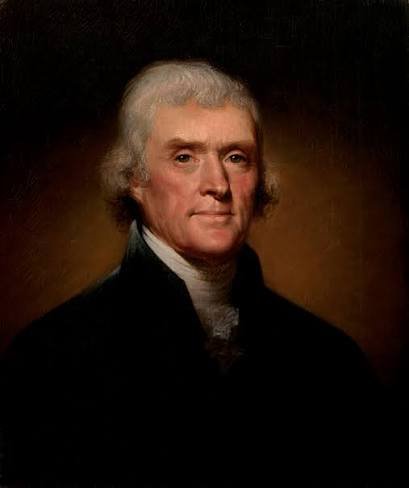
1. Thomas Jefferson (3rd President, 1801-1809)
Thomas Jefferson, a Founding Father and principal author of the Declaration of Independence, has been the subject of scrutiny regarding his ancestry. Historical accounts suggest that he had Black ancestry, with claims of a mixed heritage highlighted in various writings. The chief attack on Jefferson’s lineage came from Thomas Hazard in 1867, who noted that Jefferson was described as a “half-breed Indian squaw and a Virginia mulatto father.”
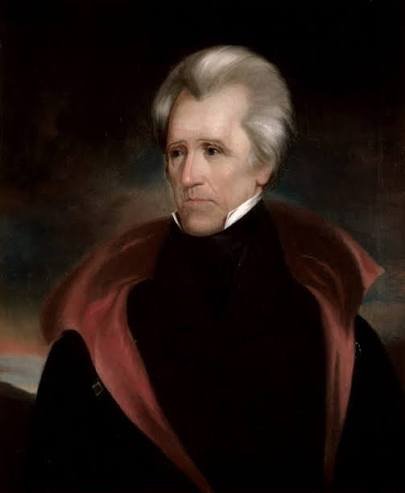
2. Andrew Jackson (7th President, 1829-1837)
Andrew Jackson’s ancestry has also been a topic of discussion. According to the Virginia Magazine of History, Jackson was the son of a White woman from Ireland who intermarried with a Black man. This lineage points to a complex family history that challenges the conventional narratives surrounding his presidency.
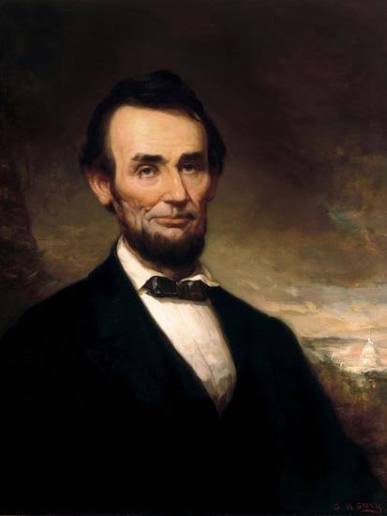
3. Abraham Lincoln (16th President, 1861-1865)
While Lincoln is widely celebrated for his role in abolishing slavery, some historians suggest that he may have had Black ancestry as well. The implications of this ancestry further complicate the understanding of his legacy and the context within which he governed.
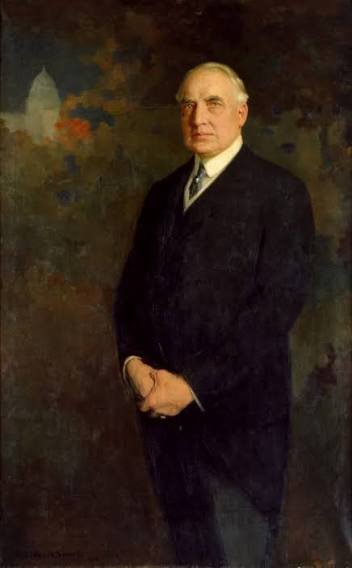
4. Warren Harding (29th President, 1921-1923)
Warren Harding is perhaps the most notable case regarding Black ancestry among U.S. presidents. Harding himself never denied these claims, famously stating, “How should I know whether or not one of my ancestors might have jumped the fence?” His genealogy reportedly includes Black ancestors, a fact that was allegedly suppressed by the Justice Department.
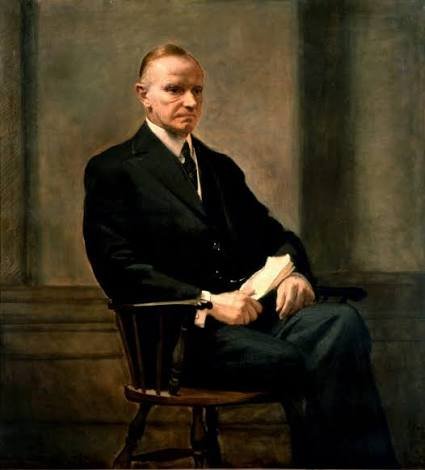
5. Calvin Coolidge (30th President, 1923-1929)
Similar to the other presidents, Calvin Coolidge’s ancestry has been scrutinized, with suggestions of Black heritage that contribute to the ongoing dialogue about race and representation in American history.
The Importance of Learning True History
The narratives surrounding these presidents highlight the complexities of American heritage and the need for a more inclusive understanding of history. Recognizing the contributions of individuals with Black ancestry in shaping the nation fosters a more comprehensive perspective on American identity.
Key Points to Consider:
- Diverse Contributions: The acknowledgment of Black ancestry among U.S. presidents underscores the diverse contributions that have shaped the nation. It challenges the prevailing narratives that often marginalize the impact of Black individuals in American history.
- Bias in Historical Accounts: Many historical accounts have been biased, often omitting or downplaying the roles of people of color. It is crucial to seek out and learn the true histories that include all facets of American life.
- Empowerment Through Knowledge: Understanding the true history empowers individuals and communities, fostering a sense of pride and identity. It encourages the next generation to appreciate the rich heritage of their ancestors and recognize the struggles and achievements that have contributed to their present.
- Inspiration for Future Generations: By learning about the diverse backgrounds of influential figures, we inspire future generations to embrace their history and continue to build a more inclusive society.
Let’s Be Honest, and Tell TRUE HISTORY
The acknowledgment of Black ancestry among America’s presidents is not just a footnote in history; it is a vital part of the American narrative that deserves recognition and respect. As we strive to learn the true history of our nation, let us celebrate the contributions of all individuals, regardless of race, who have played a role in shaping America. By doing so, we honor their legacy and pave the way for a more inclusive future.
In the words of Carter G. Woodson, “If a race has no history, if it has no worthwhile tradition, it becomes a negligible factor in the thought of the world.” It is time to reclaim and celebrate our history—one that reflects the true diversity of the American experience.